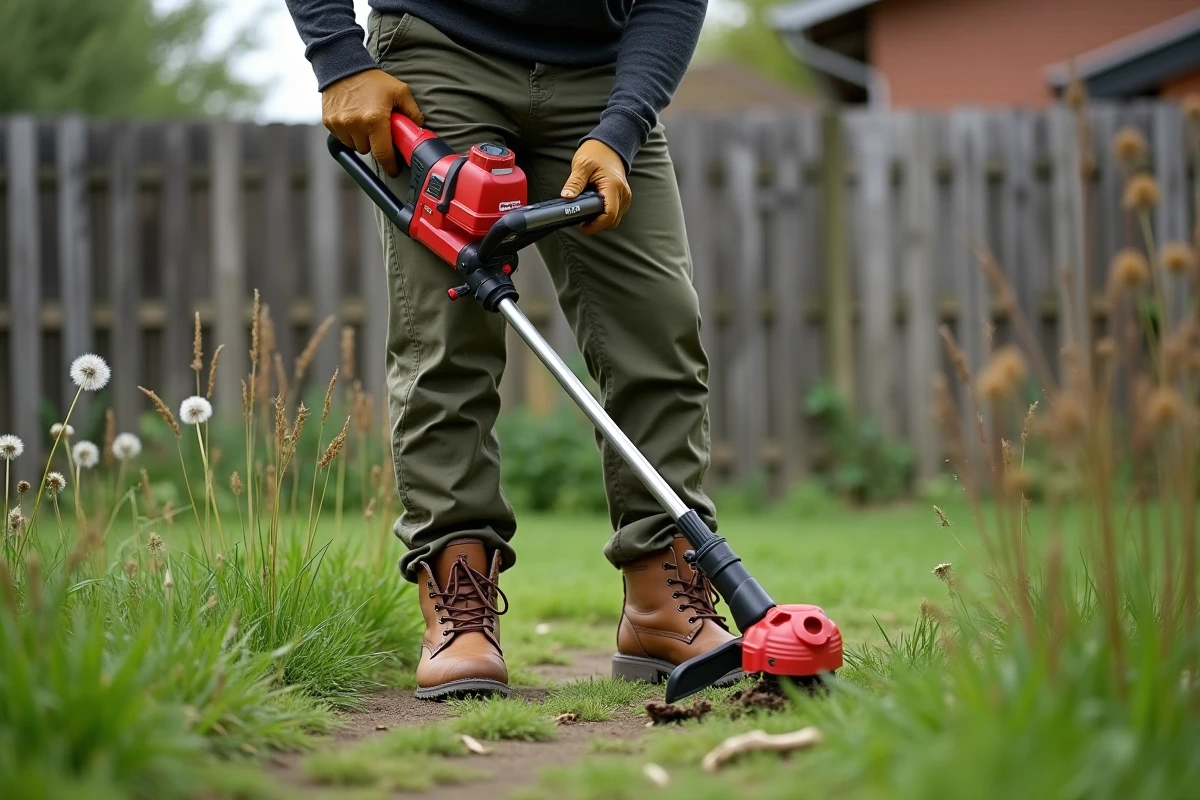
The Parkside PBS 2 D4 is a thermal brush cutter equipped with a 2-stroke engine of 42.7 cm3 developing 1.8 hp. Marketed by Lidl under the Parkside brand, it positions itself in the low-cost garden tools segment, with compatibility for both line and blade.
Crankshaft Wear and Engine Lifespan: The Technical Weakness of the PBS 2 D4
Independent tests published in the magazine Outillage Jardin 2026 show an accelerated crankshaft wear after 50 hours of use on the Parkside PBS 2 D4. This threshold is reached faster than one might think on regularly maintained terrain.
In comparison, the Einhell GC-BC 52 I AS shows a superior engine lifespan on this same criterion. For an individual who brushes a few times a year, the limit remains acceptable. For more intensive use, this structural weakness of the crankshaft becomes a deciding factor.
This observation does not disqualify the machine, but it requires considering it as a tool with a limited lifespan. Those looking for reviews on the Parkside PBS 2 D4 brush cutter should factor this parameter into their profitability calculations.
Carburetor and Wet Terrain: Maintenance to Anticipate
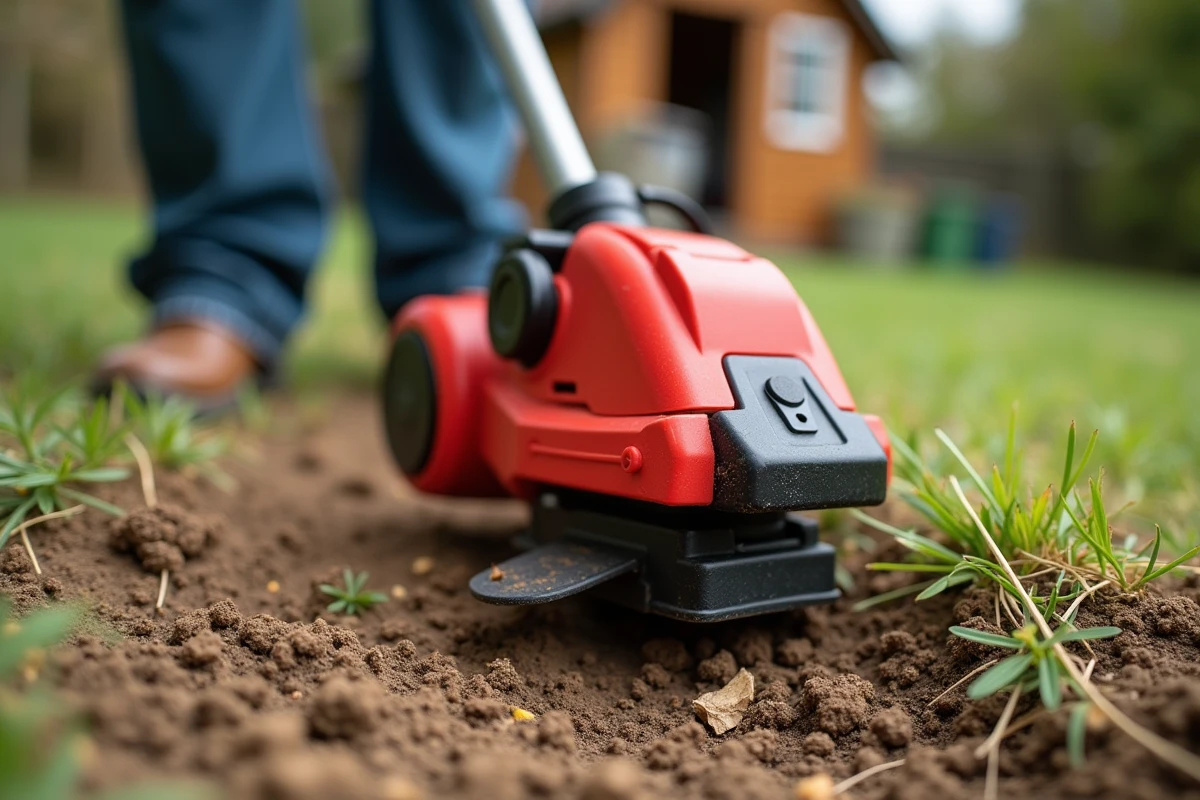
The carburetor of the PBS 2 D4 clogs more quickly than average on wet soils. According to a survey published on AgriForum.net in February 2026, regular users report a limitation to less than 20 sessions per season without thorough cleaning of the carburetor when working on wet grounds or along ditches.
Clogging manifests as starting difficulties, power drops under load, and sometimes complete stalling. The discussion thread on Forum Outillage.fr (updated in March 2026) gathers several converging testimonies on this issue, which has become more pronounced since 2025.
Preventive Maintenance of the Carburetor
Three actions can help limit the phenomenon:
- Drain the tank after each session on wet terrain to prevent condensation from mixing with the fuel
- Clean the air filter after each use in dew or light rain conditions, as moisture clogs the filter fibers faster than dust alone
- Dismantle and clean the carburetor with a dedicated spray every ten sessions or so, rather than waiting for the first signs of failure
This maintenance is not complex, but it requires having compatible spare parts and a minimum of tools. Parkside references can be found via the IAN number specific to each machine, which should be kept carefully.
Parkside PBS 2 D4 for More Than One Hectare: The Limits of Semi-Professional Use
The question deserves to be asked directly. With 1.8 hp and an entry-level 2-stroke engine, can the PBS 2 D4 handle areas exceeding one hectare of fallow land or dense vegetation?
The answer is no, not under viable conditions. The engine heats up quickly during prolonged sessions. The blade supplied with the machine effectively tackles tall grasses and fine brambles but struggles against thick woody stems encountered on large fallow plots.
Where the Machine Remains Relevant
The PBS 2 D4 is suitable for gardens and plots of a few hundred square meters, maintained several times per season. On this type of surface, the ratio between its Lidl price and its performance remains hard to beat. The work with line on edges and finishes around flower beds yields satisfactory results.
Beyond that, vibrations, engine overheating, and fuel consumption make long sessions uncomfortable. A landscaper or farmer who needs to cover more than one hectare requires a larger displacement and a motor designed for prolonged use.
Recent European Regulation: What Changes for Thermal Brush Cutters
A recent European directive introduces new requirements on emissions from small displacement thermal engines. 2-stroke engine brush cutters are directly affected.
For the PBS 2 D4, this means that models already on the market remain usable, but that upcoming versions will need to meet stricter emission thresholds. Spare parts (carburetor, exhaust) may evolve to comply with this regulation.
This regulatory framework also encourages considering the purchase of a thermal brush cutter as a limited-term investment. Current models will not be banned overnight, but their repair and the delivery of compatible parts may become more complicated in the coming years.
Conclusion: For Whom the Parkside PBS 2 D4 Remains a Good Choice
The PBS 2 D4 fulfills its role in small to medium gardens, provided one accepts regular maintenance of the carburetor and a shorter engine lifespan compared to specialized brand machines. Its low purchase price makes it an accessible entry point for occasional brush cutting.
- Suitable for plots of a few hundred square meters, regularly maintained
- Not recommended on wet terrain without frequent preventive maintenance
- Unsuitable for semi-professional use or areas exceeding one hectare
- Limited crankshaft lifespan, to be compared with the cost of a mower or a higher-end brush cutter
The choice boils down to a question of frequency and area. For short sessions on dry terrain of a few hundred square meters, the PBS 2 D4 gets the job done for a fraction of the price of specialized brands. Beyond this scope, the carburetor, crankshaft, and engine overheating quickly remind users of the limits of entry-level equipment.