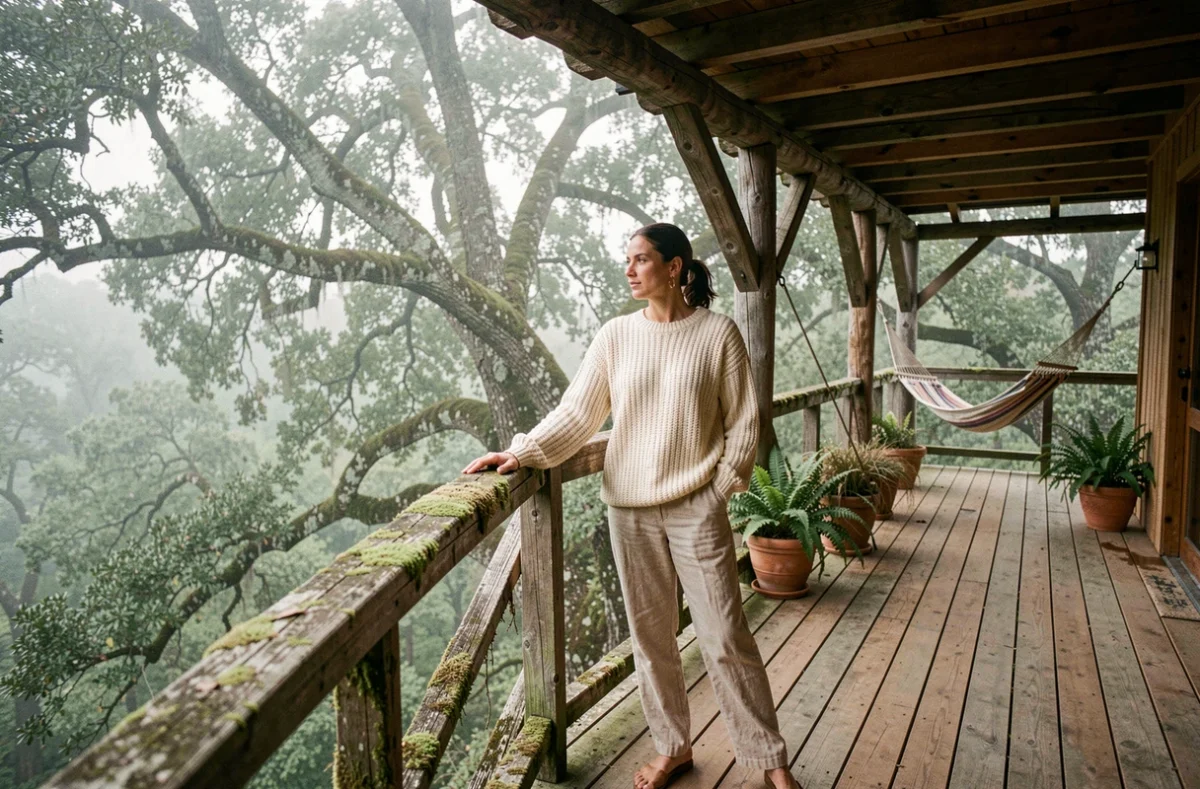
Booking a treehouse for a family weekend is simple on paper. In practice, one faces an overwhelming offer, vague legal statuses, and very uneven services from one unusual accommodation to another. The term itself does not correspond to any official category in the Atout France classification, which complicates the comparison between an isolated yurt, a certified eco-lodge, and a tiny house connected to the electrical grid.
Regulatory Framework for Unusual Accommodations in France
There is much talk about experience and authenticity, but rarely about the administrative constraints that weigh on these structures. The lack of a clear legal definition of unusual accommodation creates a blur that neither travelers nor operators always perceive.
The Le Meur law, enacted on November 19, 2024, has reshuffled the cards. Municipalities can now establish quotas for tourist rentals, reserve certain areas for primary residences, and reduce the maximum duration of tourist rental of a primary residence from 120 to 90 days. In tense areas, this directly affects the availability of certain atypical stays.
At the European level, regulation 2024/1028 has imposed a registration system for tourist rentals offered through platforms since May 2026: unique number, mandatory display, and data transmission to authorities. For those looking for accommodation offered by Voyage Slouk, this traceability enhances the reliability of the listings viewed online.
In practical terms, before booking a nature stay in an unusual structure, it is wise to check if the operator has a registration number and if the municipality allows this type of rental on the concerned parcel.
Unusual Accommodation in France: Concrete Selection Criteria
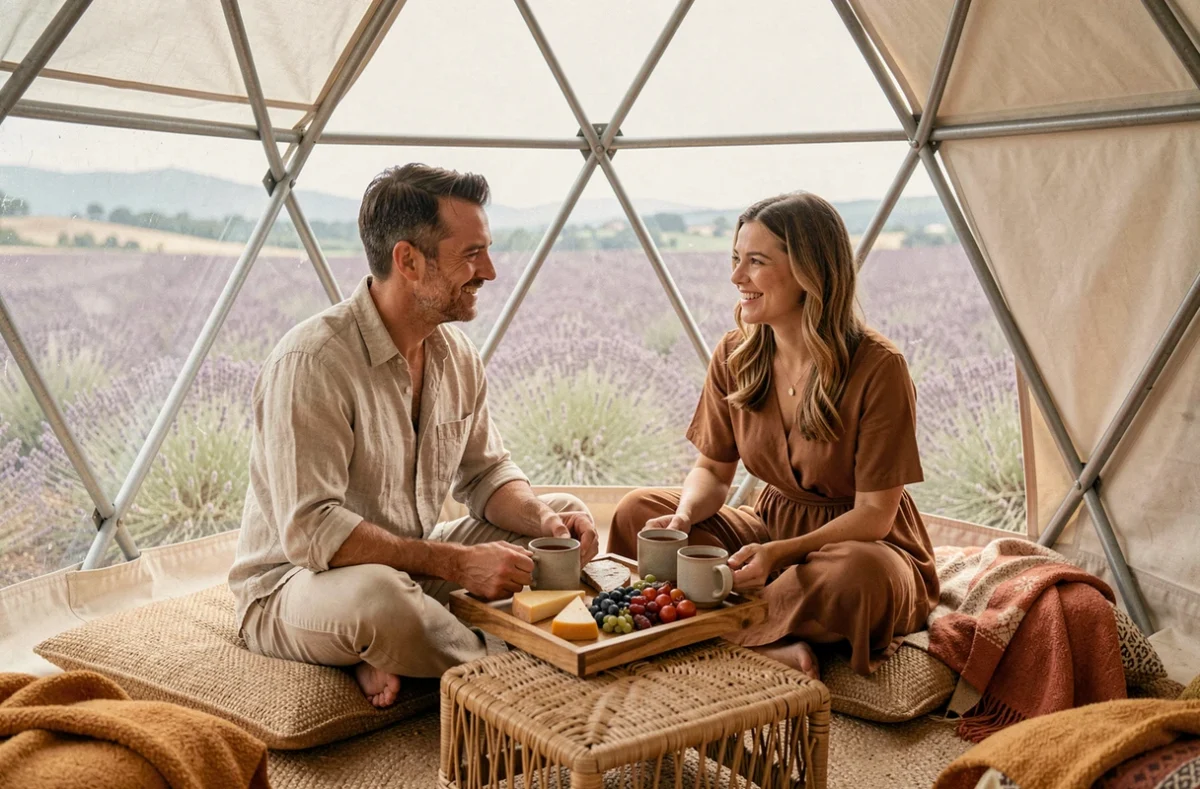
The market has professionalized in recent years. Services are expanding, and operators are structuring themselves. However, the gap between a cabin without running water and a geodesic dome with a hot tub remains immense, and the word “unusual” covers both.
Real Comfort and Equipment Level
Three points deserve to be checked before any booking:
- Access to water and electricity: some structures operate completely autonomously (solar panel, dry toilets), while others are connected to the grid. Feedback varies on this point, especially for families with young children.
- Thermal insulation: a traditional Mongolian yurt and a contemporary double-walled yurt do not offer the same comfort below 10 °C. For an off-season weekend, this is a determining criterion.
- Bedding and kitchen equipment: a stay in an eco-lodge may include full board or be limited to a mattress and a camping stove. Reading the detailed conditions avoids most disappointments.
Location and Accessibility
A nature accommodation often implies access via an unpaved path. In winter or rainy weather, some sites become difficult to access without an appropriate vehicle. It is recommended to ask the operator for a precise description of the last kilometer, not just the GPS coordinates.
Eco-Lodge or Treehouse: Two Philosophies of Nature Stay
The eco-lodge is based on a structured approach: sustainable materials, landscape integration, reduction of energy footprint. It is accommodation designed from the outset to minimize its environmental impact while offering an immersive experience.
The treehouse, on the other hand, focuses on escape and adventure. Comfort varies, but the sensation of sleeping in the trees is hard to compare to any other type of stay. For a family trip, the treehouse appeals to children, while the eco-lodge is better suited for those seeking tranquility and autonomy over several nights.
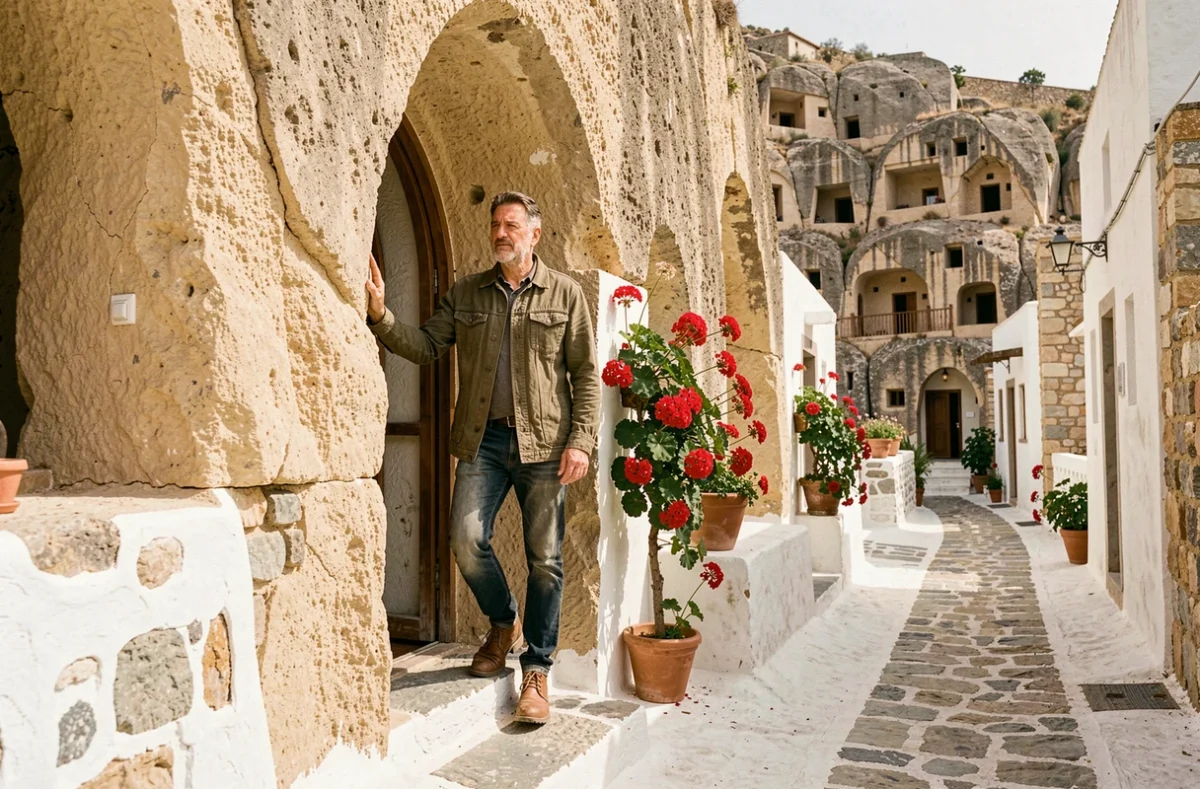
Between the two, there is a growing range of hybrid structures: stilted tiny houses, transparent bubbles, converted caravans. The common point remains the promise of a break from traditional hospitality. But the level of service depends primarily on the operator, not the type of structure.
Traveling Differently Without Falling into the Trap of Greenwashing
Unusual tourism sometimes comes with ecological promises that are difficult to verify. A domain that presents itself as “eco-responsible” without certification or documented approach raises questions.
Some concrete signals allow one to distinguish real commitment from marketing argument:
- Waste and sanitation management is transparently described on the website or in the welcome booklet.
- Construction materials are identified (local wood, hemp, stone) and not simply labeled as “natural”.
- The operator voluntarily limits their capacity to preserve the site, resulting in a limited number of structures on the property.
A certified eco-lodge by a recognized label (Green Key, European Eco-label) offers more guarantees than a simple “eco-friendly” mention on a booking platform.
What the Professionalization of the Sector Changes
Unusual accommodations are no longer a niche artisanal market. Structured operators invest in training, hospitality, and maintenance of facilities. This upgrade directly affects pricing but also the consistency of the experience offered.
For travelers, this means one can reasonably expect a level of service comparable to that of a classified gîte, provided they choose declared and registered structures. Administrative transparency has become a marker of seriousness in a sector where word-of-mouth is no longer sufficient.
The French and European regulatory framework is pushing in this direction. Platforms will have to display registration numbers, which will facilitate sorting between professional offers and improvised rentals. For those wanting to experience an authentic adventure in nature, this evolution protects both the traveler and the host territories.