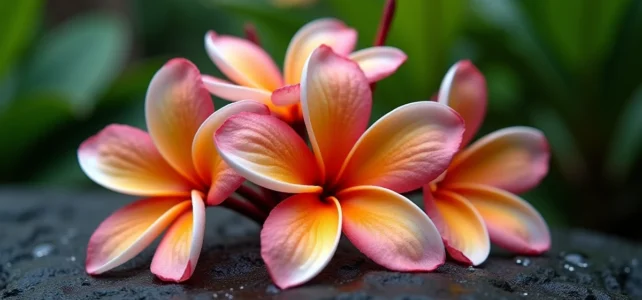
Hawaii is home to a flora where species arrived by ocean currents, winds, and human migrations coexist with strictly endemic plants found nowhere else. Among the most well-known Hawaiian flowers, some are actually Polynesian or Asian introductions, while others, like the maʻo hau hele, grew on the archipelago long before any human presence.
Indigenous species and introduced species: a distinction to know
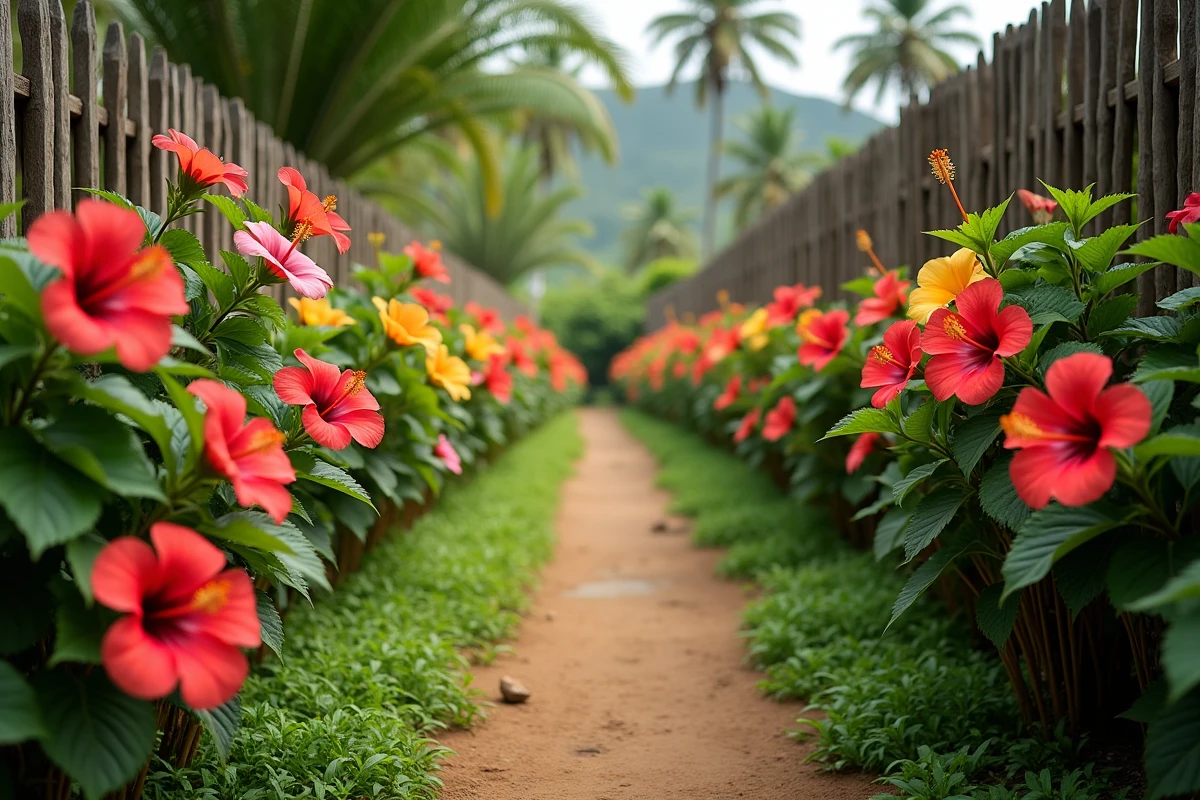
Confusion is common between “typically Hawaiian” flowers and those that are truly native to the archipelago. The red hibiscus seen everywhere on shirts and lei necklaces is a Hibiscus rosa-sinensis, native to tropical Asia. It was introduced to Hawaii where it thrives due to the subtropical climate, but it is not endemic there.
See also : The best tips for trendy and affordable online shopping this season
The official flower of the State of Hawaii is the maʻo hau hele (Hibiscus brackenridgei), a much rarer yellow hibiscus that is endemic. The University of Hawaii, through its College of Tropical Agriculture and Human Resources (CTAHR), recommends prioritizing this species in private gardens to support pollinators and endemic birds. This choice makes ecological sense, even though this variety is more demanding to cultivate than its Asian cousin.
To learn everything about Hawaiian flowers and better distinguish local species from introductions, this difference between endemic and naturalized serves as a starting point.
See also : Tips and advice for adopting a natural beauty routine every day
Another often-overlooked indigenous species is the ʻilima (Sida fallax), a small orange flower used in traditional lei. It grows both by the sea and at moderate altitudes and requires very little maintenance once established.
Invasive plants in Hawaii: ornamental flowers under surveillance
Several species sold in garden centers as “tropical flowers” are now on the invasive plant lists in Hawaii. The Hawaiʻi Invasive Species Council regularly updates these lists. The 2023 annual report from the HISC highlighted horticultural species that are now discouraged for ornamental planting, including certain ornamental gingers and passionflowers.
This update has direct consequences for gardeners wishing to recreate a “Hawaiian garden” in mainland areas. An invasive species in Hawaii may not be invasive under a temperate climate, but the verification process remains good practice. Before purchasing a plant labeled “Hawaiian tropical,” checking its status on the lists from the Hawaiʻi Department of Land and Natural Resources helps avoid inadvertently contributing to the spread of problematic species.
Hibiscus, plumeria, and heliconia: three different cultivation profiles
These three flowers represent the majority of what European gardeners associate with Hawaii. Their cultivation needs differ significantly.
Tropical hibiscus in pots or in the ground
The Hibiscus rosa-sinensis does not tolerate frost. In mainland France, pot cultivation remains the most reliable solution: bringing it indoors as soon as nighttime temperatures drop below ten degrees. It requires well-draining soil, regular watering without excess, and direct light exposure for most of the day.
Recent hybrids offer a wider color palette (salmon, bicolor, peach) than the classic red or yellow varieties. Flowering is nearly continuous under optimal conditions, although each flower lasts only a day or two.
Plumeria: the frangipani of the lei
The plumeria (frangipani) is the flower most often found in Hawaiian welcome leis. Its sweet fragrance and waxy texture make it recognizable to the touch. The plumeria goes into complete dormancy in winter: it loses all its leaves and requires almost no watering during this time.
This dormancy paradoxically facilitates its cultivation under temperate climates. A bright garage or an unheated porch is sufficient for wintering, provided the temperature does not drop below five to seven degrees. Vegetative recovery occurs in spring, with generous summer flowering if sunlight is adequate.
Heliconia: a humidity requirement difficult to reproduce
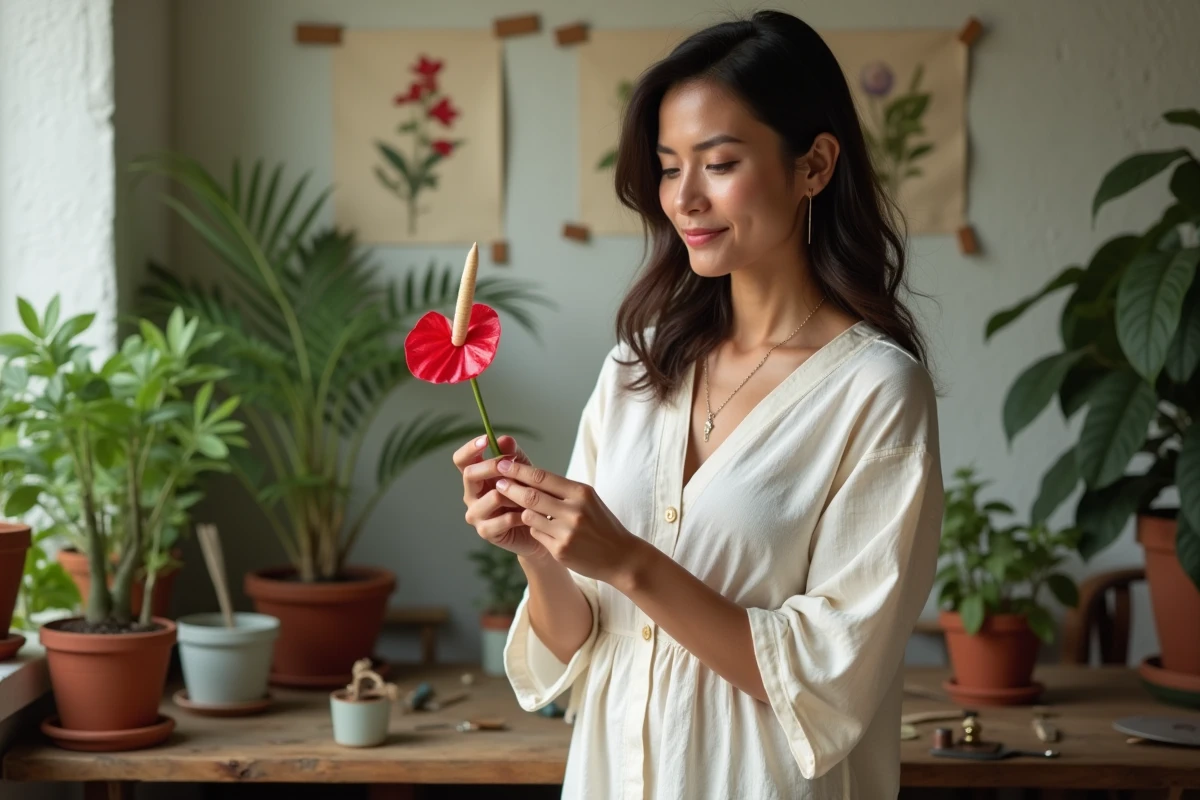
Heliconias, with their spectacular red and yellow bracts, are among the most photographed tropical flowers. Cultivating them outside the tropical zone poses a real challenge: they require consistently high ambient humidity, stable temperatures above fifteen degrees, and soil that is constantly moist without being waterlogged.
In a warm greenhouse, cultivation remains possible. In an apartment or temperate garden, results are rarely satisfactory. It is better to turn to strelitzias (bird of paradise), which are more tolerant and provide a comparable visual effect.
Substrate, watering, and exposure: common parameters for tropical flowers
Despite their differences, tropical flowers cultivated outside their environment share some basic requirements that the gardener must anticipate.
- The substrate must be both rich in organic matter and very well-drained. A mix of potting soil, perlite, and composted bark works for most of the species mentioned.
- Watering follows a simple principle: keep the substrate moist without ever allowing water to stagnate in the saucer. In winter, reduce the frequency by half at a minimum.
- Exposure should be as bright as possible. Indoors, a south or southwest-facing window partially compensates for the deficit in sunlight compared to Hawaiian conditions.
- A potassium-rich fertilizer during the growing season stimulates flowering. Stop all fertilization during dormancy.
The most common mistake is overwatering in winter, a time when most of these plants slow their metabolism. Roots, sitting in cold, waterlogged substrate, can rot within weeks.
The CTAHR at the University of Hawaii also encourages gardeners on the archipelago to reintroduce indigenous species like the ʻilima or certain endemic Lobelia to support local wildlife. This biodiversity-oriented gardening approach is also becoming relevant in Europe, where planting local nectar-producing species alongside potted tropical flowers creates a garden that is both aesthetic and functional.
Growing Hawaiian flowers in a temperate climate requires some adaptations, but none are beyond the reach of a patient gardener. The dormant frangipani in a garage, the hibiscus in a pot on a sunny terrace, or even an ʻilima sown in a protected rock garden: each species finds its place as long as its thermal and moisture limits are respected.