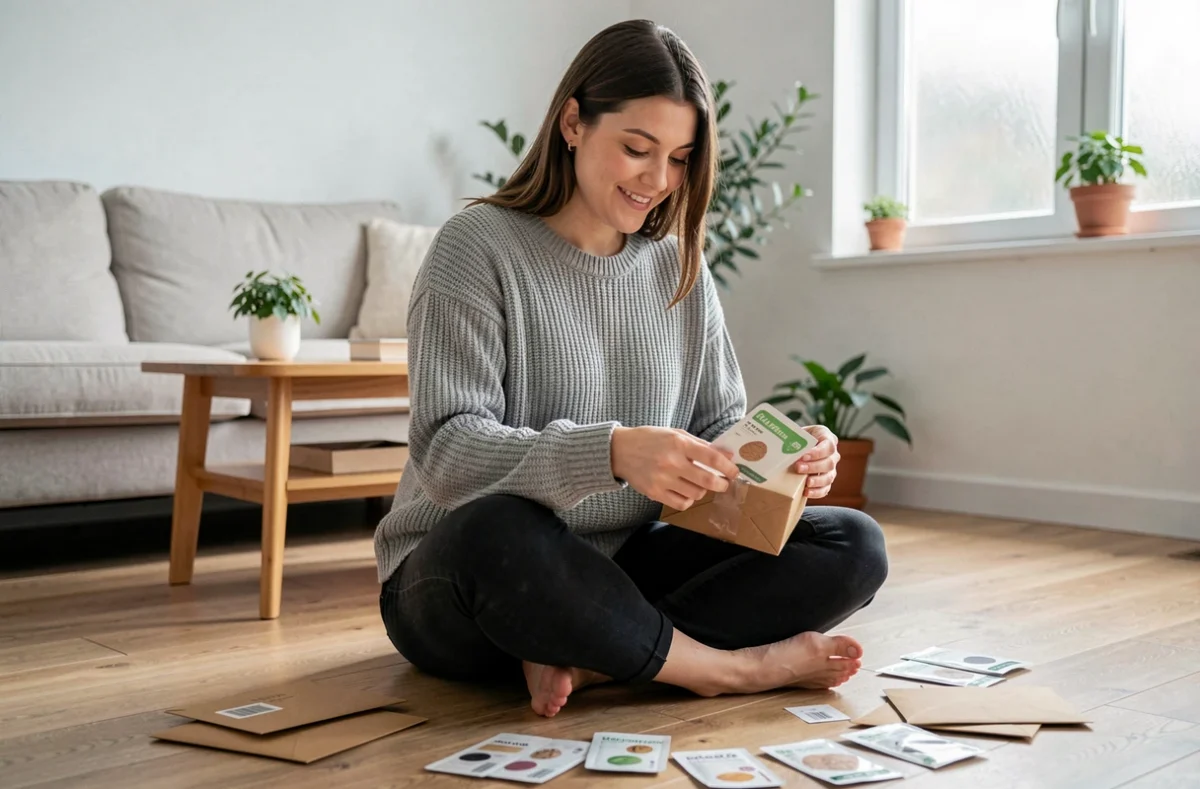
Receiving a surprise package in your mailbox, without having paid anything, remains one of the most accessible little pleasures. Brands regularly send out free samples to promote their new products, and there are several methods to take advantage of them without falling into traps.
Dedicated email address and personal data: the often neglected prerequisite
Before signing up for any form, create an email address reserved for your sample requests. Brands and platforms send a lot of promotional newsletters after registration. A dedicated address protects your main inbox and allows you to easily find shipping confirmations.
Another useful reflex: fill out your profile accurately. Sample platforms target their shipments based on age, household composition, or interests. A complete profile increases your chances of being selected for testing campaigns.
You may have noticed that some offers ask for a credit card number to “validate” the freebie? That’s a red flag. A free sample never requires banking details. If a site demands this, move on. When looking to find a free sample to receive, prioritize forms that only ask for your name, mailing address, and email.
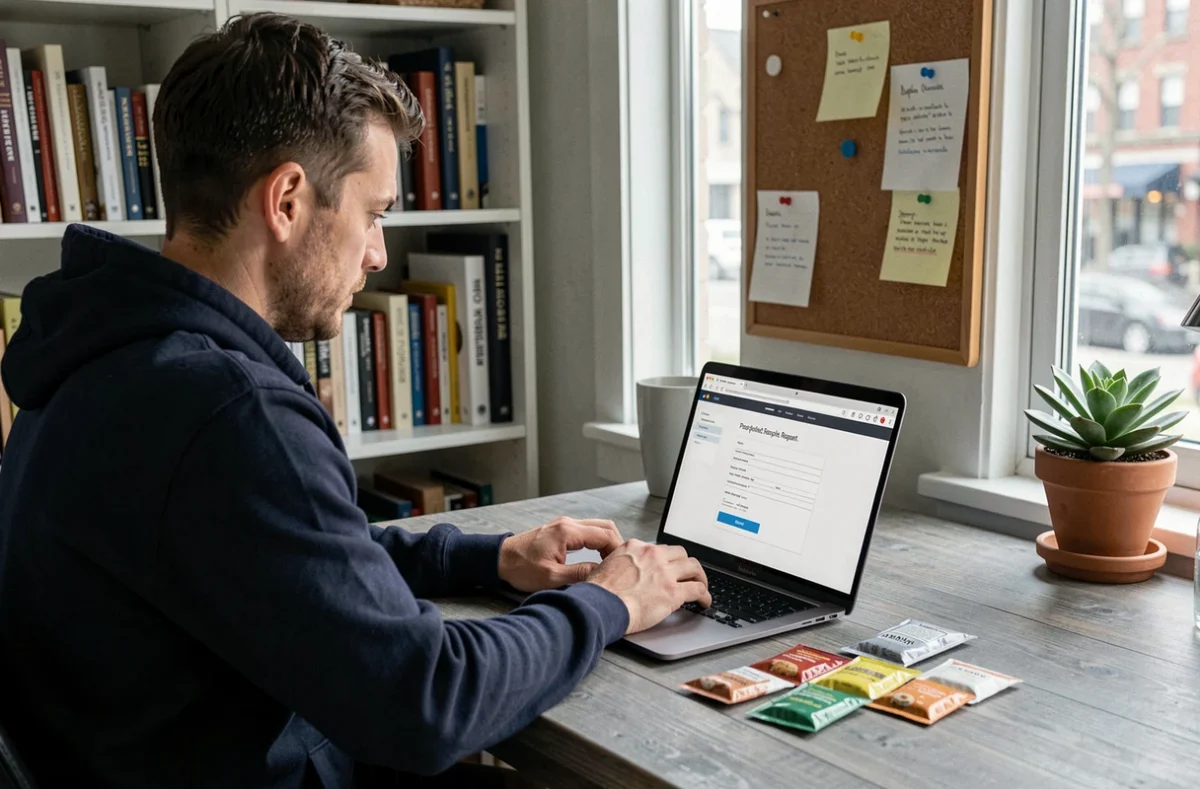
Specialized sites for free samples: how they really work
Several French sites list new sample offers every day. Their model is simple: they aggregate campaigns launched by brands and redirect you to the official form. The site does not send you anything itself.
This operation has a direct consequence: stocks run out in a few hours, sometimes in a few minutes. Offers published in the morning may already be closed by noon. To increase your chances, enable notifications or check these sites early in the day.
What distinguishes reliable platforms
- They clearly indicate the brand behind the offer and redirect to a form hosted on that brand’s official site
- They specify the end date of the operation or mention that the offer is valid while stocks last
- They do not require any payment, subscription, or prior commitment to access the offers
Some platforms also offer product testing programs. The principle differs: you receive a full-size product and write a review in exchange. Selection is based on your profile and participation history.
Samples directly from brands: an underutilized avenue
Aggregator sites are not the only route. Many brands manage their own sample campaigns, often better stocked because they are less publicized.
In cosmetics and perfumery, major brands regularly offer free samples on their official site. The common mechanism involves filling out a form when launching a new product. Some baby care or infant food brands send discovery kits to young parents who sign up for their program.
Check the websites of the brands you already use directly. A “offers” or “loyalty program” section often hides samples available without purchase. This approach requires more research, but the competition is less fierce than on aggregator platforms.
Social media as a sample channel
Brands also organize distributions via their social media accounts. A post invites you to comment or fill out a form to receive a product. These operations serve to generate engagement, and the quantities distributed can sometimes be generous.
A point of caution is necessary here. Since the law of June 9, 2023, a gifted product can fall under commercial influence even without payment. If you receive a sample and promote it online, the content must clearly indicate its commercial nature (mention “Advertisement” or “Commercial Collaboration”). This obligation applies as soon as the benefit in kind is linked to a promotional effort.
Common traps and reflexes to avoid them
Freebies also attract scams. Some sites mimic the appearance of well-known platforms to collect your personal data without ever sending a product.
- Check the URL of the form: it should match the official site of the brand or a recognized platform
- Beware of offers relayed only by anonymous accounts on social media, without a link to an identifiable site
- Ignore any request for mass sharing (“share with 10 friends to validate your order”), a process absent from real brand campaigns
- Never download a third-party app to access a sample: brands use simple web forms
Real samples arrive within a few weeks without the need for follow-up. If a site asks you to “confirm” your shipment via a premium SMS, it’s a scam.
Frequency and patience: what regulars know
Receiving samples regularly requires a routine. Regulars check two or three reliable sources every morning, sign up quickly for new offers, and do not waste time on expired campaigns.
Launch periods (September-October for skincare, spring for perfumes) concentrate the largest number of operations. Some categories like childcare or organic food offer samples all year round, as brands are constantly looking to retain new consumers.
Patience is part of the game. Not all requests succeed, and delivery times vary. But by diversifying your sources and staying attentive to new campaigns, you can receive several free samples each month without spending a dime.