
In 2024, several major French and international chains are announcing the permanent closure of retail locations, sometimes in cities where they have been established for decades. The list is growing every quarter, affecting everything from home goods to clothing and food.
The accumulation of social plans, declining foot traffic, and restructuring is accelerating the phenomenon, permanently impacting local employment and the vitality of city centers. The decisions made by certain brands, in the face of the rise of e-commerce and increasing fixed costs, crystallize the tensions between profitability and territorial presence.
Store Closures in 2024: Current State and Trends in France
The French retail sector is going through a rarely seen turbulence. Store closures in 2024 are piling up, driven by economic difficulties, the surge of e-commerce, and fierce competition from multinationals. The figures are relentless: in ready-to-wear, nearly 50,000 jobs have vanished since 2010. The same fate befalls the textile sector, which has lost 47,000 positions in eleven years. The spiral of social plans and collective procedures is accelerating, and the brands that were once part of the landscape are now threatened.
Among these historic brands, several are implementing closures of unprecedented scale. C&A plans to cut 324 jobs and close 24 stores out of 147, in a logic of deep restructuring. Pimkie, already weakened, is closing 50 boutiques and transferring 14 under the Miniso brand. Claire’s, Comptoir des Cotonniers, Princesse tam. tam, and IKKS, all under judicial recovery this year, are added to the list. Jennyfer, following its liquidation, retains only 33 stores out of 300, with the remaining stock going to Noz. Café Coton, Kaporal, and André are also facing judicial shocks.
The food sector is not spared. Casino has sold 366 stores, of which 294 were taken over by Les Mousquetaires/Intermarché. However, 30 of these Intermarché stores are also at risk of closure, as profitability is not always guaranteed. Colruyt, which is leaving France in the summer of 2025, leaves behind 105 points of sale, several without buyers in municipalities like Faulquemont, Carling, or Moyeuvre-Grande. Auchan is closing 15 stores, some of which are being taken over and transformed into Super U or Hyper U.
To grasp the extent of this restructuring, the list of brands affected by store closures provides a striking overview of the ongoing changes. Everywhere, the commercial landscape is being reconfigured, with a real impact on large cities, as well as on medium-sized towns and rural areas.
Which Brands Are Affected and Why Are These Closures Accelerating?
The map of French retail is fragmenting under the influence of online fast fashion, the disaffection for physical stores, and the offensive from large foreign groups. The giants of fashion are taking a hard hit. The year 2024 marks a spectacular acceleration of store closures. The facts speak for themselves: Jennyfer was liquidated at the end of April 2025, retaining only 33 stores out of 300. C&A is cutting 324 jobs, and 24 boutiques will close before March 2025. Pimkie is eliminating 239 jobs, closing 50 stores, and 14 are already changing their brand to become Miniso.
Also affected are Comptoir des Cotonniers, Princesse tam. tam, and IKKS, which are entering judicial recovery in the summer of 2024. Kaporal, Café Coton, and André are following the same trajectory, with liquidations on the horizon. Behind these names, thousands of employees are living in uncertainty, suspended by the outcome of collective procedures.
Why is this wave of closures gaining momentum? E-commerce and international platforms are disrupting traditional distribution. Historic brands, often burdened by costly structures, struggle to adjust to the agile and aggressive model of online players. The rise of SHEIN and Temu weighs heavily, particularly on C&A. In the grocery sector, the acquisitions of Casino by Intermarché, or the gradual withdrawal of Colruyt, illustrate the frantic race for profitability.
Here are the main concrete impacts hitting the sector:
- Job cuts in fashion and food
- Social plans and massive layoffs
- Repeated judicial recoveries
The quest for new margins, the transformation of shopping habits, and the arrival of unprecedented competitors are forcing a rapid restructuring. Regions, medium-sized towns, rural areas: everywhere, the number of affected retail locations is skyrocketing.
Consequences for Consumers and Territories: What Alternatives in the Face of Retail Transformation?
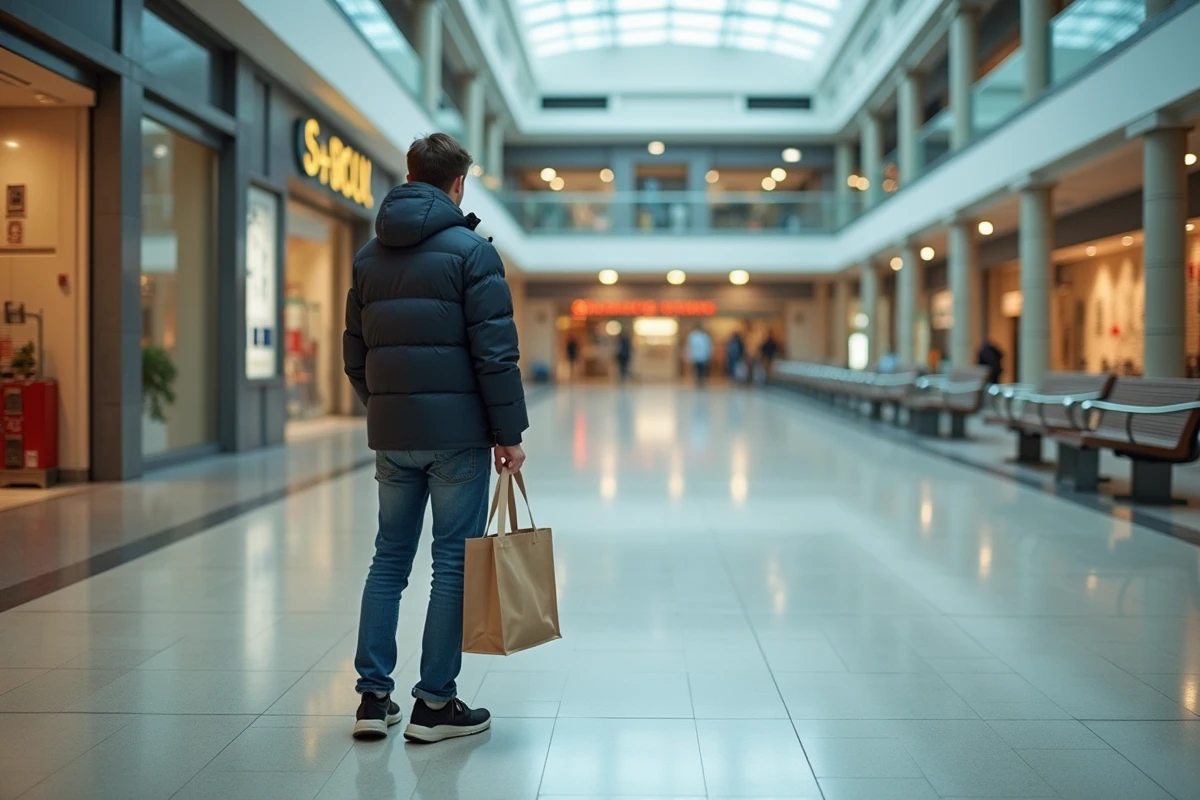
The closure of stores is not just a statistic; it disrupts daily access in many affected cities. On the ground, this upheaval goes far beyond mere economics: an entire way of life is being reshaped. Streets once animated by the presence of C&A, Pimkie, or Jennyfer are seeing their foot traffic plummet, sometimes leading to desertification. The same logic applies in the food sector: the transition to the Intermarché or Netto brand, the closure of Casino supermarkets, disrupts habits and the diversity of offerings.
To illustrate this transformation, here are some concrete situations observed in recent months:
- In Seine-et-Marne, several supermarkets are changing brands or closing down permanently. As a result, residents often have to travel more kilometers to do their shopping.
- Reclassification proposals are offered to employees, but they often involve relocation or complete retraining.
- In some villages, the closure of the only grocery store exacerbates the commercial fracture and further isolates populations.
The Federation Alliance of Commerce is sounding the alarm: maintaining a diverse offering is becoming a real challenge, in the face of group concentration and the rise of digital. The social plans and job cuts, such as those at Auchan (2,400 positions) or Intermarché (680 affected), reflect the brutality of the transformation. In this context, some initiatives are attempting to limit the damage: the transformation of certain Casinos into Intermarchés or Netto, the repositioning of Minelli or André. Nevertheless, the number of stores left without buyers, particularly after Colruyt’s withdrawal, continues to grow, leaving city centers and neighborhoods in limbo.
For consumers, the playing field is shrinking: less choice, promotions becoming rarer, prices rising. Everyone is adapting as best as they can: returning to small markets, hunting for alternatives, more frequent use of drive-thru or delivery services. The transformation of retail is pushing people to reinvent their habits amid a rapidly changing urban and rural geography. In deserted crossroads, other forms of commercial life are emerging; sometimes, rebirth begins where everything seemed lost.